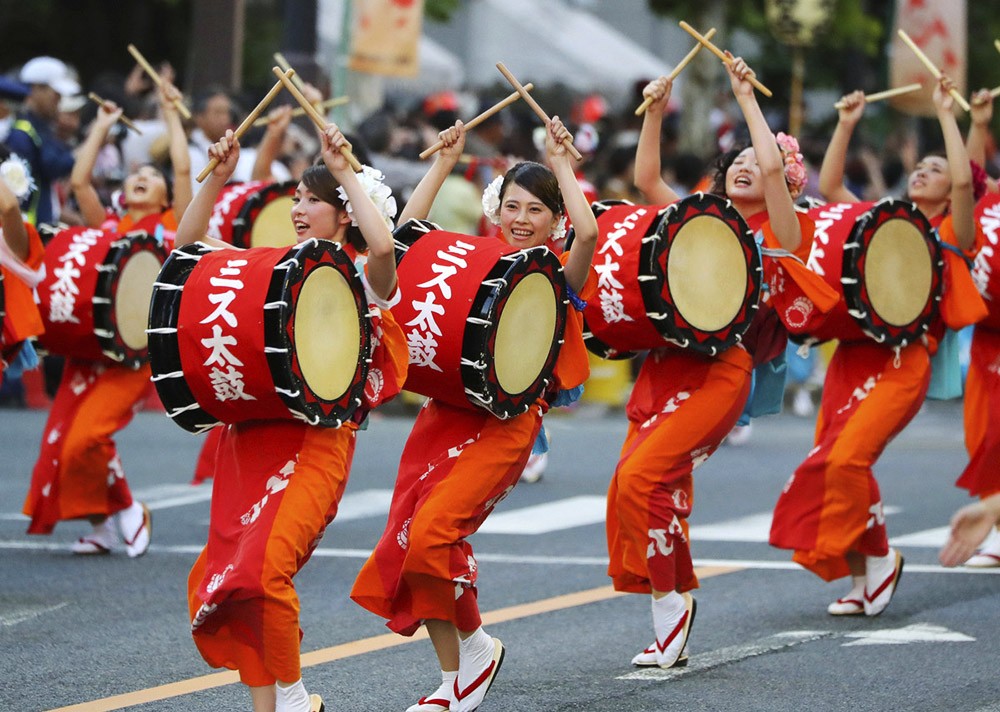
In the height of summer, under the blazing sun, regions across Japan welcome the most lively and energetic traditional events of the year, known as summer festivals (Natsumatsuri). These festivals are not merely forms of folk entertainment, but immersive cultural experiences that engage the senses of sight, taste, and the heart. Lanterns swaying within shrine grounds, crowds dressed in yukata, and fireworks lighting up the night sky all convey the deep emotional connection Japanese people have with the seasons, traditions, and everyday life.
1. Origins and Meaning of Summer Festivals
Japanese summer festivals trace their origins to ancient Obon rituals, which were originally ceremonies to honor the spirits of ancestors. Early summer festivals had strong religious significance, with people praying for good harvests, good health, and protection from misfortune. Over time, these events evolved into community wide celebrations that blended religious rites with entertainment, forming the unique festival culture seen today.
Summer festivals embody the Japanese concept of wa, meaning harmony, which connects people with one another, with nature, and with their ancestors. In the fast paced modern world, summer festivals offer a rare opportunity to slow down and reconnect with tradition, community, and one s inner self.
2. Main Elements of Summer Festivals
● Portable Shrines and Festival Floats
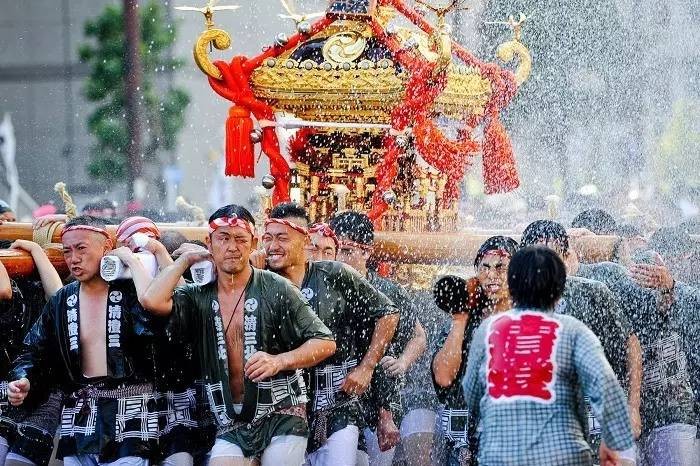
Nearly every summer festival features processions of portable shrines (mikoshi) and festival floats (dashi). Mikoshi are believed to temporarily house deities, and carrying them through the streets is thought to bring blessings and protection to the community. Participants wear traditional happi coats and chant energetically, while taiko drums and dancers on the floats create an atmosphere of excitement.
● Fireworks Displays
Fireworks are an essential symbol of Japanese summer festivals. Japanese pyrotechnicians treat the night sky as a canvas, producing works of remarkable artistry that are renowned worldwide. Creative designs such as hearts, smiling faces, and cartoon figures are especially famous at events like the Sumida River Fireworks in Tokyo, the Tenjin Festival in Osaka, and the Nagaoka Fireworks in Niigata.
● Festival Stalls and Street Food
Evening festivals are filled with lively street stalls (yatai). Takoyaki, yakisoba, grilled corn, shaved ice, and candied apples form the taste memories of Japanese summer. In addition, traditional games such as goldfish scooping, target shooting, and ring tossing provide fun for both children and adults.
● Yukata and Traditional Attire
On festival days, streets are often filled with people wearing yukata. Yukata are lightweight summer kimono, commonly decorated with seasonal motifs such as goldfish, fireworks, and flowers. Paired with wooden sandals, hair ornaments, and folding fans, the attire creates an elegant and complete look. Crowds in yukata themselves become one of the most beautiful scenes of summer festivals.
3. Representative Summer Festivals
■ Gion Festival, Kyoto (July)
One of Japan s three major festivals, originating in the Heian period as a ritual to ward off epidemics. Held throughout July, its highlight is the Yamaboko float procession. The most celebrated events are the pre festival on July 17 and the post festival on July 24, when 33 magnificent floats parade through the city.
■ Tenjin Festival, Osaka (July 24 to 25)
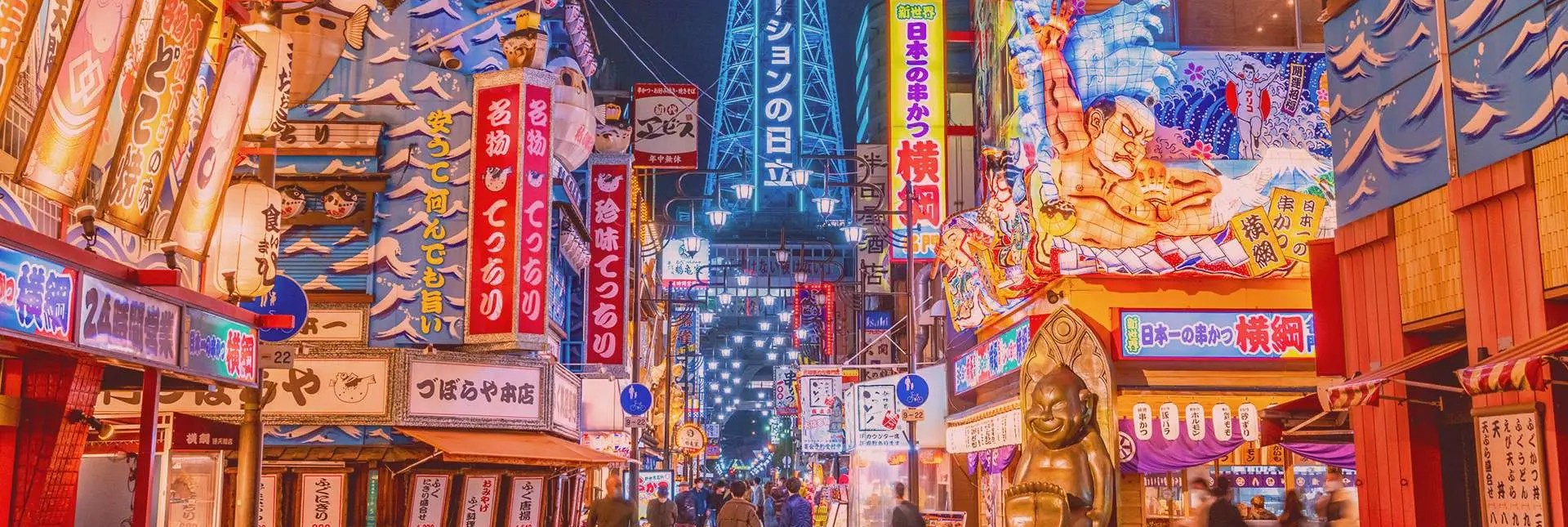
A grand festival of Osaka Tenmangu Shrine, dedicated to Sugawara no Michizane, the deity of learning. Highlights include land processions, boat processions on the river, and evening fireworks. Lanterns reflected on the water and drumbeats echoing from boats create a magical atmosphere.
■ Nebuta Festival, Aomori (August 2 to 7)
Giant illuminated floats parade through the streets at night, accompanied by rhythmic drums and energetic chants. On the final day, a sea procession and fireworks conclude this vibrant festival of color and motion.
■ Awa Odori, Tokushima (August 12 to 15)
A traditional Bon dance famous for the saying that dancers and spectators alike are fools, so one might as well dance. Men and women in yukata dance through the streets to shamisen, drums, and flutes. Visitors are welcome to join freely and experience the excitement alongside locals.
4. Change and Continuity: Summer Festivals Toward the Future
In recent years, summer festivals have continued to evolve while preserving tradition. By encouraging youth participation and incorporating modern entertainment elements, festival culture has become increasingly diverse. Some regions collaborate with popular culture such as anime, attracting visitors from both Japan and abroad. After being temporarily suspended during the pandemic, the return of summer festivals has renewed awareness of their cultural and emotional importance.
5. Conclusion: Echoes of the Heart on Summer Nights
For Japanese people, summer festivals are collections of memories and emotions: childhood laughter at festival stalls, youthful dates in yukata, and later visiting shrines with one s own children. Stories are passed down from generation to generation.
For international travelers, summer festivals offer a ticket free and open to all cultural experience, providing a rare opportunity to encounter Japanese beliefs, human warmth, and everyday life up close.
Standing beneath fireworks on a summer night, you too may feel the power of this culture.
The heat, the sounds, the scents, and the emotions woven into the festival experience are something you should experience for yourself.